

Sri Lanka Real Estate Investment | Emerging Luxury Market
Sri Lanka: An Emerging Luxury Real Estate Market for Global Investors
Sri Lanka offers one of the most compelling emerging market real estate opportunities in Asia. With a recovering economy, expanding tourism infrastructure, and a government actively courting foreign investment, Sri Lanka is at an inflection point that experienced investors recognise as an entry window.
Why Sri Lanka Now
The timing of entry into any emerging market is critical. Sri Lanka’s current positioning offers a rare combination of factors that create an attractive risk-reward profile for patient investors:

Post-Correction Pricing
Property values across Colombo, Galle, and the South Coast are recovering from macro adjustment, offering entry points well below replacement cost in several premium segments.
Tourism-Driven Demand
Sri Lanka welcomed over 1.5 million international tourists in 2024, with continued growth projected. Beachfront villas and boutique resort developments are direct beneficiaries.
Foreign Ownership Improvements
Ongoing legislative improvements to foreign property ownership rules are making Sri Lanka progressively more accessible to international buyers.
Proximity to India
Geographic proximity, established Indian expat community, and English-speaking infrastructure makes Sri Lanka a natural extension market for Indian UHNI and NRI investors.
Key Markets in Sri Lanka
| Market | Entry Price | Rental Yield | Character |
|---|---|---|---|
| Colombo (Col 3 & 7) | USD 150K – 500K | 5–8% gross | Corporate tenants, modern infrastructure |
| Galle & South Coast | USD 200K – 2M | 6–9% gross | International lifestyle buyers, villas & boutique hotels |
| Kandy & Hill Country | USD 80K – 400K | 4–6% gross | Estate & plantation properties, early-stage positioning |
Colombo
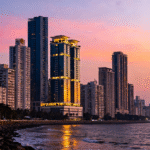
Colombo’s luxury apartment and mixed-use developments — particularly in Colombo 3 and Colombo 7 — attract corporate tenants and long-term investors. The city’s modern infrastructure, improving retail and dining scene, and proximity to the Bandaranaike International Airport make it the anchor investment market in Sri Lanka.
Galle and the South Coast
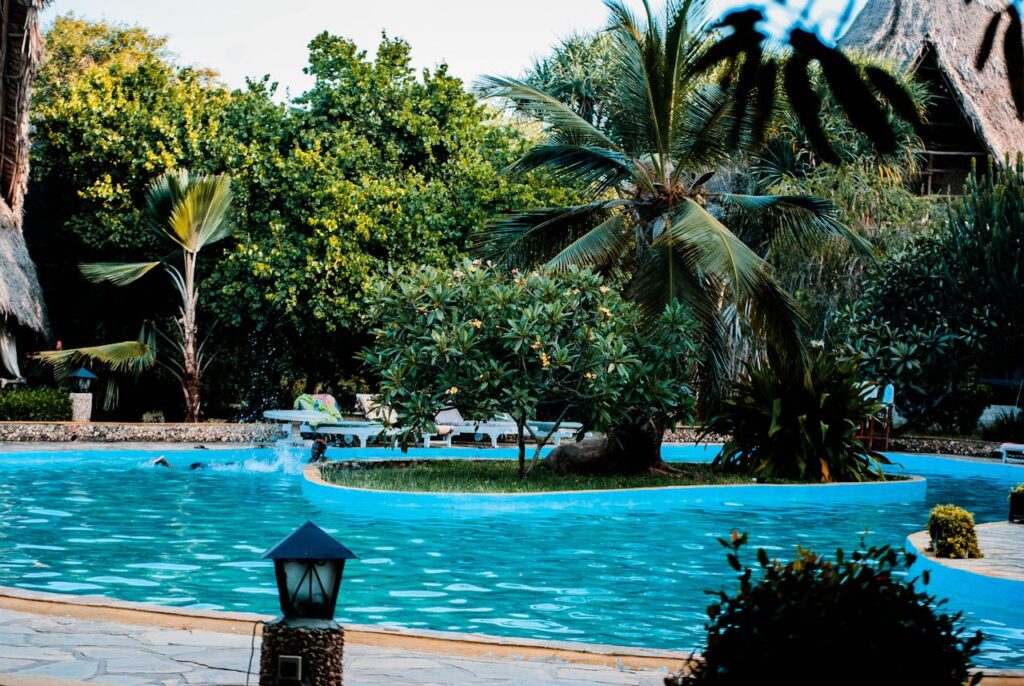
The South Coast — from Galle Fort to Mirissa and Tangalle — is Sri Lanka’s most internationally recognised lifestyle real estate corridor. Villa developments, boutique hotels, and beachfront land attract buyers from Europe, Australia, and increasingly India. Galle Fort properties in particular have appreciated significantly over the past decade as international awareness of the market has grown.
Kandy and the Hill Country
For buyers seeking a different pace and aesthetic, the Hill Country around Kandy offers colonial-era estates, tea plantation residences, and an investment profile distinct from coastal markets. Values remain low relative to the asset quality available, making this a compelling early-stage opportunity for buyers with longer horizons.
Proptys in Sri Lanka
Proptys has worked with developers and buyers across Sri Lanka’s South Coast and Colombo markets. Our understanding of the local regulatory environment, developer landscape, and buyer psychology allows us to guide clients through a market that can be opaque without the right connections.
We provide advisory on market entry, property selection, legal due diligence structuring, and post-purchase management for NRI and Indian buyers investing in Sri Lanka for the first time.

Explore Sri Lanka Real Estate
Speak with our Sri Lanka team to discuss entry opportunities, current listings, and investment structuring in Sri Lanka’s emerging luxury market.
Bulathkohupitiya — Sri Lanka’s Premium Hill Country
Bulathkohupitiya, in Sri Lanka’s Kegalle District, has emerged as a premium hill-country destination for branded residence buyers seeking ridge-top elevation, river-valley views, and proximity (under 2 hours) to Colombo. The flagship development in this micro-market is Altaira — a 5-acre ridge resort offering 40 villas, 24 suites and 12 yurts with both freehold and fractional ownership structures. Pricing starts at USD 180,000 for fractional units, scaling to USD 1.2M+ for full freehold villas.
Browse the Altaira Resort Residences listing on listiing.com for inventory details, ownership structures, and rental pool participation.
Sri Lanka Property for Foreign and NRI Investors
Sri Lanka’s 2002 Land (Restrictions on Alienation) Act bars freehold land ownership by foreigners with two key exceptions: (1) condominium/apartment units above the fourth floor are freely transferable; (2) leasehold rights up to 99 years are available for non-citizens, including for villa and resort properties. For Indian NRI investors, the leasehold-or-condominium structure is the standard route — typically arranged through reputable developers with Sri Lankan legal partnerships.
Sri Lanka Real Estate vs Investment in India for NRIs
For Indian NRI investors comparing Sri Lanka property to Indian real estate, the appeal is geographic diversification (low correlation with Indian markets), USD-denominated entry pricing (hedge against rupee depreciation), and emerging-market upside as Colombo Port City and tourism infrastructure mature. The trade-off is a less liquid secondary market and greater operational distance. For comparison context, see our NRI real estate investment guide for India.
Real Estate Investment in Sri Lanka — Practical Considerations
Key practicalities: most luxury Sri Lanka real estate transactions complete in USD via international banking; legal due diligence requires a Sri Lankan-qualified attorney (Indian Power of Attorney does not extend to Sri Lankan property); rental management for resort properties is typically handled through the developer’s rental pool with 50:50 to 60:40 net split favouring the developer.
Browse curated Sri Lanka property on listiing.com alongside Indian luxury inventory.
Invest in Sri Lanka Real Estate
Explore premium properties in Colombo, Galle, and Sri Lanka’s emerging luxury corridors — before the market fully reprices.